About Course
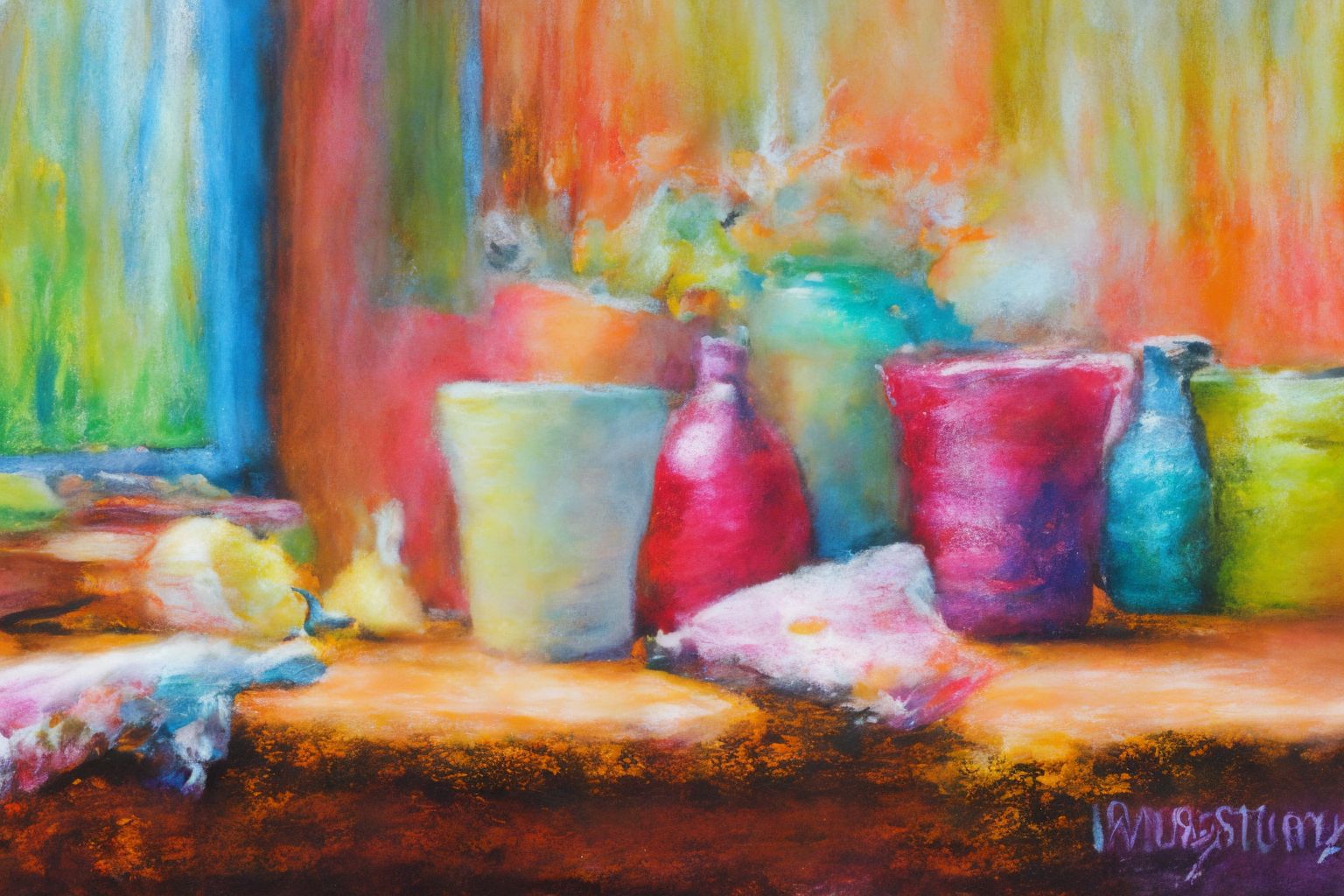
A palette for those who want to paint without fear of color
Who is this course for?
This course is for you if:
-
🎨 You’ve always wanted to paint with color, but you feel lost when it comes to the theory
-
🎨 Does the cake seem messy, crumbly, or hard to handle?
-
🎨 Have you tried watercolor or oil painting and are looking for something more direct, tactile, and rewarding?
-
🎨 Do you want a solid foundation so you can continue to grow? (This is Level 1 of 3)
-
🎨 Are you a young person (ages 14 and up) or an adult who wants to learn from scratch using a professional method?
-
🎨 Are you looking for a course that meets academic standards (UC A-G) but doesn’t feel like boring school?
You don’t need any prior experience. Just cakes, paper, and a desire to get your fingers covered in color.
What will you learn?
Over the course of 8 modules, you’ll master pastel painting from scratch—from your first stroke to your first piece filled with light, texture, and emotion.
|
Module |
Title |
You’ll learn how to… |
|---|---|---|
|
1 |
Materials and Getting Started |
Get to know your pastels, papers, and tools. Master pressure, stroke, and basic optical mixing. |
|
2 |
Paper as a Midtone |
Use the color of the paper as a tonal base. Draw with light and shadow using white and dark pastels. |
|
3 |
Optical Mixing |
Overlay colors without physically mixing them. Create your own optical color wheel. |
|
4 |
Texture and Feel |
Depict skin, fabric, wood, and metal using lines, dots, scraping, and impasto. |
|
5 |
Light, Color, and Atmosphere |
Understand color temperature, changing light, and how to create atmosphere in your artwork. |
|
6 |
Still Life |
To create everyday objects with volume, light, and personal meaning. |
|
7 |
Landscape |
Paint the sky, land, water, and vegetation using atmospheric perspective. |
|
8 |
Final Project: My Bright Place |
Create your own personal masterpiece by incorporating EVERYTHING you’ve learned. |
What does each module include?
-
📘 Theoretical content covering art history, various artists, and global cultural traditions (India, China, Japan, Africa, Latin America, Indigenous art, and more)
-
✏️ Progressive hands-on exercises (3–4 per module)
-
🖌️ Final module project to apply what you’ve learned
-
📓 Activities in your artist’s journal: reflection, visual analysis, and constructive criticism
-
🌍 Connecting with global cultures and diverse contemporary artists
-
🤖 AI Activities (Simulation, Analysis, and Ethical Reflection)
-
🎯 Notable historical and contemporary careers in each module
-
📤 Assignment with Submission of Work (for Crecer and Sembrar memberships)
-
💬 Community forum for sharing progress and getting support (Create and Grow memberships—family forums are private and open only to members of each family [moderated by parents])
What materials do you need?
Basics (to get started):
-
🖍️ Basic set of crayons (12 colors, suitable for school)
-
📄 Textured drawing paper (A3 or letter size)
-
🧽 Paper or sponge blender (or your fingers)
-
🧹 Cleaning rag or cloth
Recommended (to move forward):
-
🖍️ Set of 24–36-color pastels (premium quality)
-
📄 Drawing paper (Canson Mi-Teintes or similar) in neutral colors
-
🧽 Blenders of various sizes (puff, sponge, pencil)
-
🧴 Cake Finishing Spray
-
✏️ Pastel pencils and white charcoal
Nothing that’s outrageously expensive. All you need to get started is a basic set and some paper.
How much time do you need?
-
📚 Theory lessons: 30–45 minutes each
-
✏️ Hands-on exercises: 1–2 hours per activity
-
🎨 Final module projects: 3–5 hours each
-
⏱️ Estimated total load: ~108.5 hours (equivalent to one school year)
Self-paced format: You can move forward at your own pace, with no set deadlines.
What is the difference between the membership plans?
|
Create |
Grow |
Sow |
|
|---|---|---|---|
|
Course Access |
✅ |
✅ |
✅ |
|
Community Forum |
✅ |
✅ |
✅ |
|
Submitting Assignments |
❌ |
✅ |
✅ |
|
Personalized feedback from the instructor |
❌ |
✅ |
✅ (priority) |
|
Price |
$ |
$$ |
$$$ |
💡 Not sure? Start by clicking “Create.” If you want feedback later, you can update it.
Why “Color Without Limits”?
Because color isn’t a complicated formula or an exact science. Color is emotion, it’s temperature, it’s light. Pastel is generous: you blend it with your fingers, layer it fearlessly, erase it, and paint over it. And best of all: you don’t need water, solvents, or to wait for it to dry.
You shouldn’t have any limits either.
Ready to get started?
Start with the first free lesson.
No obligation. Just you, your cakes, a sheet of paper… and unlimited color.